
Russia eVisa Requirements and Documents: A Practical Application Guide
Russia Visa Guide Article Details
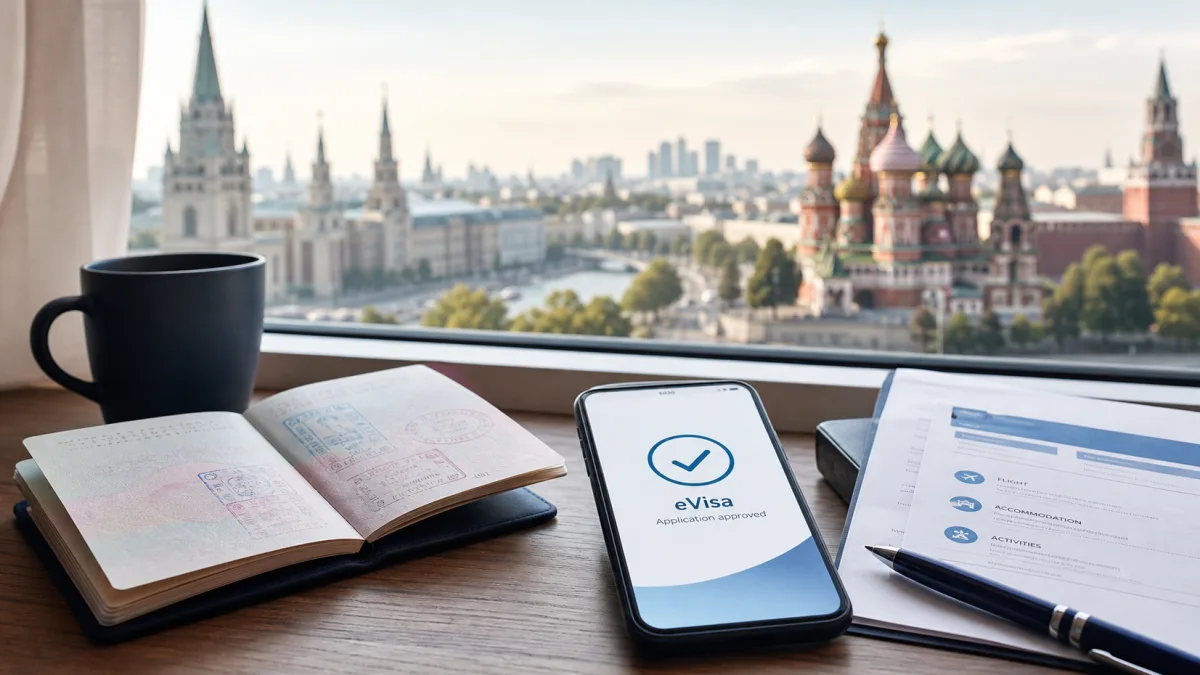
Russia’s unified electronic visa is a single-entry travel permission for eligible foreign nationals making a qualifying short visit. For visas issued under the current rules, it is valid for up to 120 days from issue and permits a stay of no more than 30 days after entry. A complete application is normally reviewed within four calendar days, excluding the submission day. Those headline rules are simple; the difficult part is making sure your passport, purpose, dates and route all fit the same application.
This guide is for travellers who are no longer asking only “Does Russia have an eVisa?” They are deciding whether to apply, what to prepare and whether they want help checking the file. It separates official requirements from sensible travel preparation, because uploading unnecessary paperwork can be just as confusing as missing a required field. Rules can change, so use the linked Russian Foreign Ministry sources for the final check before submission.
Russia eVisa requirements at a glance
| Question | Practical answer |
|---|---|
| Who can apply? | A holder of a qualifying nationality and suitable passport travelling for an allowed short purpose. |
| How many entries? | One entry. Leaving Russia uses the visa even if dates remain. |
| How long is it valid? | Up to 120 days from the issue date under the current rules. |
| How long can I stay? | No more than 30 days from entry and never beyond the printed expiry. |
| Official review time? | Four calendar days for a complete submission; the submission day is excluded. |
| Invitation required? | The official unified eVisa application does not require an invitation or hotel booking confirmation. |
| Where can I cross? | Only a checkpoint authorized for unified eVisa entry and exit. |
First requirement: confirm that the eVisa fits your real trip
The unified eVisa covers tourism, private visits, eligible business visits and participation in specified scientific, cultural, economic, sporting or similar events. It is not a shortcut for employment, permanent residence or long-term study. “My trip is shorter than 30 days” is not enough by itself; the activity must also fit an allowed purpose. A person travelling to take a job should investigate the correct work authorization even if the first visit is brief.
Transit deserves special care. The official FAQ explains that “transit” is not a selectable purpose in the form. A traveller whose intended activity does not match an available purpose may need a conventional visa. Do not choose tourism merely to bypass a purpose problem. The safest application is one whose selected purpose can be explained truthfully at airline check-in and border control without changing the story.
Every traveller needs an individual approval. Children are not covered by a parent’s eVisa, even when they appear in a parent’s travel plan. Russian citizens, including dual nationals, must enter under Russian citizenship rules rather than request a Russian eVisa using another nationality. If you already hold a valid conventional Russian visa, compare its dates and entries before starting a second process.
Passport requirements: the document controls every identity field
Use the passport you will physically carry to Russia. Its data page controls surname, given names, passport number, nationality, sex, date of birth, issue date and expiry. Do not type from an airline account, residence permit, national identity card or old passport. Those records can contain shortened names, different transliterations or expired numbers that look familiar enough to escape a quick review.
The passport should retain the validity required by the current official instructions. Our application flow checks the entered expiry against the expected validity rule, but the applicant remains responsible for travelling with the same valid document. If you renew or replace the passport after the eVisa is issued, do not assume the approval transfers to the new number. Check official guidance before travelling.
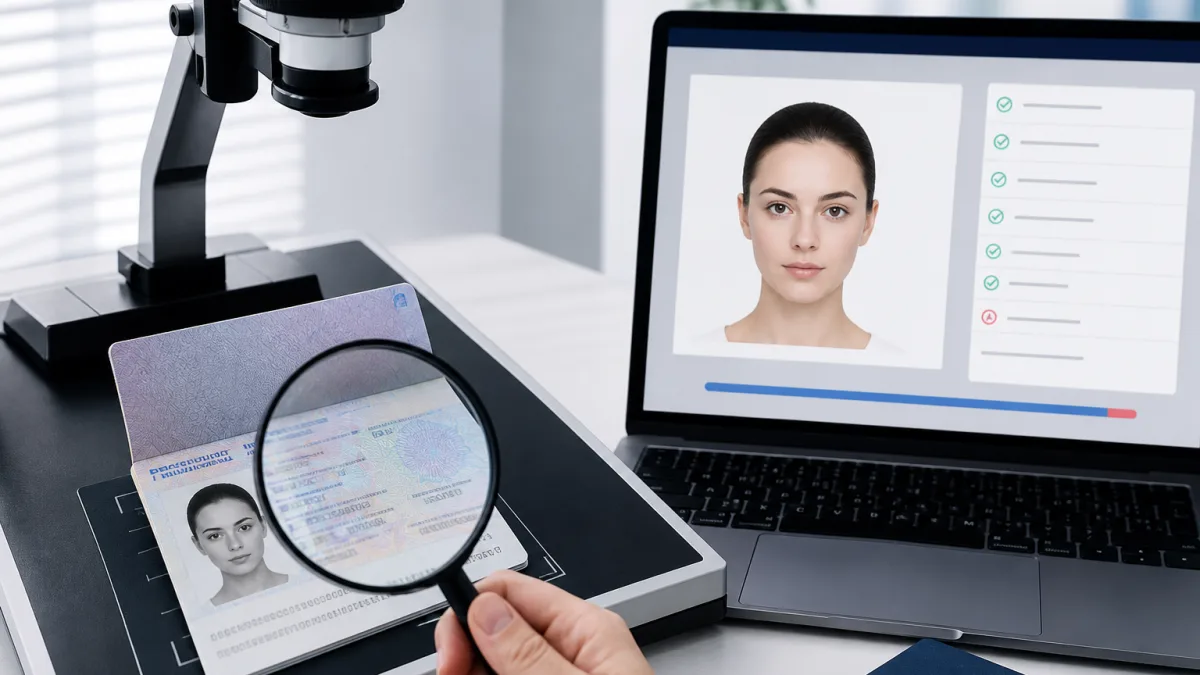
A good passport upload shows the complete biodata page, all edges, every printed field and the machine-readable lines at the bottom. Glare on a laminate can hide one digit while the rest looks sharp. A finger can cover a corner that appears unimportant. Open the selected file at full size after saving or sending it; messaging applications and email previews can compress a clear original.
Applicant photograph: a separate current portrait
The applicant photograph is not the small portrait cropped from the passport. Prepare a separate, recent, front-facing image that follows the specifications displayed in the official form. Use even lighting and a plain background. Keep the face natural and clearly visible. Beauty filters, digital smoothing, artificial background blur, heavy shadows and angled selfies create risk because they change either the facial detail or the image geometry.
File ownership matters in family applications. When several people use one phone, a technically perfect portrait can still belong to the wrong traveller. Create a separate folder for each applicant and use neutral file names such as “passport-data-page” and “current-portrait” inside that private folder. Before uploading, compare the thumbnail with the physical passport and the name shown in the form.
What information should you have ready?
The exact form can change, but applicants should expect to provide passport identity, personal details, contact information, intended travel information and answers relevant to admissibility. An accessible email address is essential because progress and result notifications are sent electronically. The official FAQ also explains why a working telephone number may be needed for an urgent notification connected with entry, exit or stay.
- The passport that will be presented at the Russian border
- A complete colour image of its biodata page
- A separate recent facial photograph
- An email account you can access during processing and travel
- A working telephone number
- A truthful qualifying visit purpose
- Planned entry and departure dates
- The intended accommodation name, address and telephone number
- The exact proposed Russian entry and exit checkpoints
The official FAQ states that tourism applicants should enter the intended hotel or other accommodation details even when a final reservation has not been made. It also states that booking confirmation and separate documents proving travel purpose are not required for the unified eVisa application. That distinction is important: accommodation information may be requested as form data without a hotel voucher being an upload requirement.
Official upload list versus travel-readiness documents
Applicants often confuse “not uploaded with the form” and “not useful during the trip.” The eVisa application is designed around electronic data, a passport-page image and a portrait; it does not require an invitation, hotel confirmation or purpose evidence in the ordinary unified eVisa process. However, an airline or border officer may still expect the traveller to explain where they will stay, why they are visiting and when they will leave.
Keep a separate travel-day folder containing the issued eVisa notification, accommodation address, full itinerary, return or onward plan and any medical-insurance evidence relevant to your circumstances. This folder is not a substitute for accurate application data and should not be uploaded unless requested. Its purpose is operational: it helps you answer ordinary travel questions without depending on mobile data or searching several inboxes at the airport.
Dates: validity and permitted stay are different limits
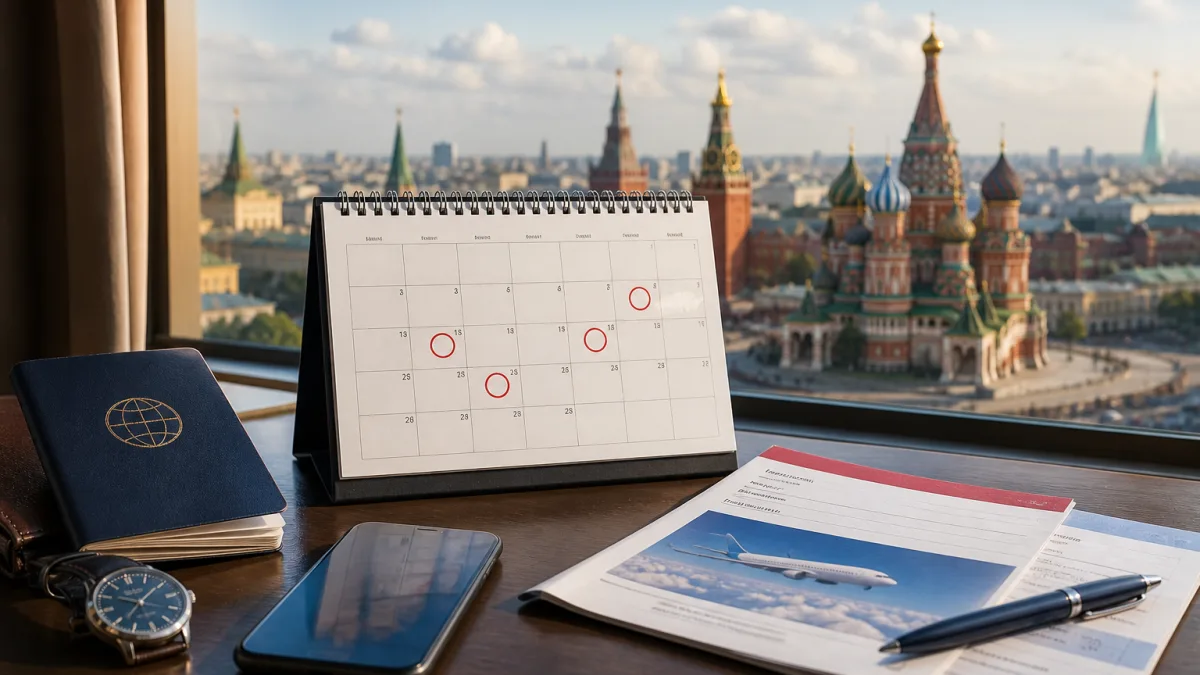
A visa valid for 120 days does not permit a four-month stay. Under the current rule, it creates a window in which one entry may occur, while the stay after entry cannot exceed 30 days. The departure date must satisfy both limits. If a traveller enters late in the validity window, the remaining visa validity may be shorter than 30 days; the printed expiry wins.
Calculate from the moment Russian border control occurs, not from the date your flight leaves home. An overnight connection or time-zone change can move arrival to another calendar date. Then verify the exit in the same way. Leave a practical margin instead of planning to cross the border at the final possible hour, because cancellation, weather or a missed connection does not automatically extend immigration permission.
Route requirement: use an authorized checkpoint in both directions
The unified eVisa works only at checkpoints approved by the Russian Government for this visa type. A city name is not enough. Moscow and other regions can have multiple airports or border facilities; your booking should match a named authorized checkpoint. The same rule applies when leaving Russia. The official FAQ specifically says that an eVisa traveller cannot exit through a checkpoint outside the authorized list.
Transit-country rules are separate. A Russian eVisa does not allow you to enter a connection country, collect baggage landside or change airports there. Separate tickets can alter the transit analysis because baggage may not be checked through. Confirm the foreign transit requirement with the relevant authority and carrier, then independently confirm the Russian arrival checkpoint.
What happens if the application is returned for correction?
A returned application is not the same as a refusal. The official system can suspend review when inaccurate information is detected and return the form with comments. Correct every identified field carefully and resubmit. Official processing then begins again after the corrected submission, so a traveller who applies at the last possible moment may no longer have a comfortable schedule.
Do not “fix” one field in isolation. If the comment concerns a passport number, compare the name, birth date and expiry again. If it concerns the portrait, reopen the passport file too. A structured full review takes a few additional minutes and prevents the corrected form from carrying a second unrelated mistake.
A seven-step pre-submission check
- Confirm eligibility and purpose. Make sure your nationality, passport and real activity fit the unified eVisa.
- Freeze the core itinerary. Know the intended border dates, accommodation and exact Russian checkpoints.
- Prepare private source files. Save one readable passport page and one separate portrait for the correct traveller.
- Enter data from the physical passport. Do not rely on autofill or an old booking profile.
- Compare dates as a timeline. Passport validity, application timing, visa window, arrival and departure must all work together.
- Review contact access. Confirm that email and telephone details are correct and monitored.
- Save proof of submission. Retain the application ID and check the official account for correction or decision messages.
When independent application assistance is useful
Many travellers can submit independently. Assistance is most useful when the risk is not eligibility but execution: multi-part names, a tight travel calendar, several family applications, unclear passport images or a complicated route. A legitimate service should explain what it checks, separate its fee from government charges and avoid promising approval. Only the Russian authorities decide whether an eVisa is issued and whether a traveller is admitted.
Our Normal Process costs $115 and provides application assistance with standard support. Our Fast Process costs $225 and prioritizes assistance and support. These are service levels, not separate Russian visa categories, and they do not shorten the authority’s official legal review or guarantee a positive decision. Choose based on how much checking and support you need, not because a label appears to sell a faster government decision.
Ready-to-apply test: you should be able to open the physical passport, passport image, portrait, itinerary and accommodation details and confirm that they describe one person and one realistic trip. If any answer depends on guessing, pause and correct it before payment.
If your file passes that test, continue to the Russia eVisa application form. If you are still comparing nationality eligibility, start with the Russia eVisa country directory. For timing questions, read our processing-time guide before committing to non-changeable travel arrangements.
Continue your preparation with the passport and photo error check, the application calendar, the authorized checkpoint planner and the fee and service comparison. For a short answer before applying, review the Russia eVisa FAQ.
Official sources and editorial note
This article was reviewed on 24 August 2026 using the Russian Foreign Ministry’s eVisa instructions, the official eVisa FAQ and the authorized checkpoint list. e-visarussia.ru is an independent application-assistance website and is not a Russian government agency. Recheck official rules before submission and travel.



Recent Posts
 Russia eVisa Passport and Photo Mistakes: How to Avoid a Returned Application
 Russia eVisa Processing Time: When to Apply and How to Plan Travel Dates
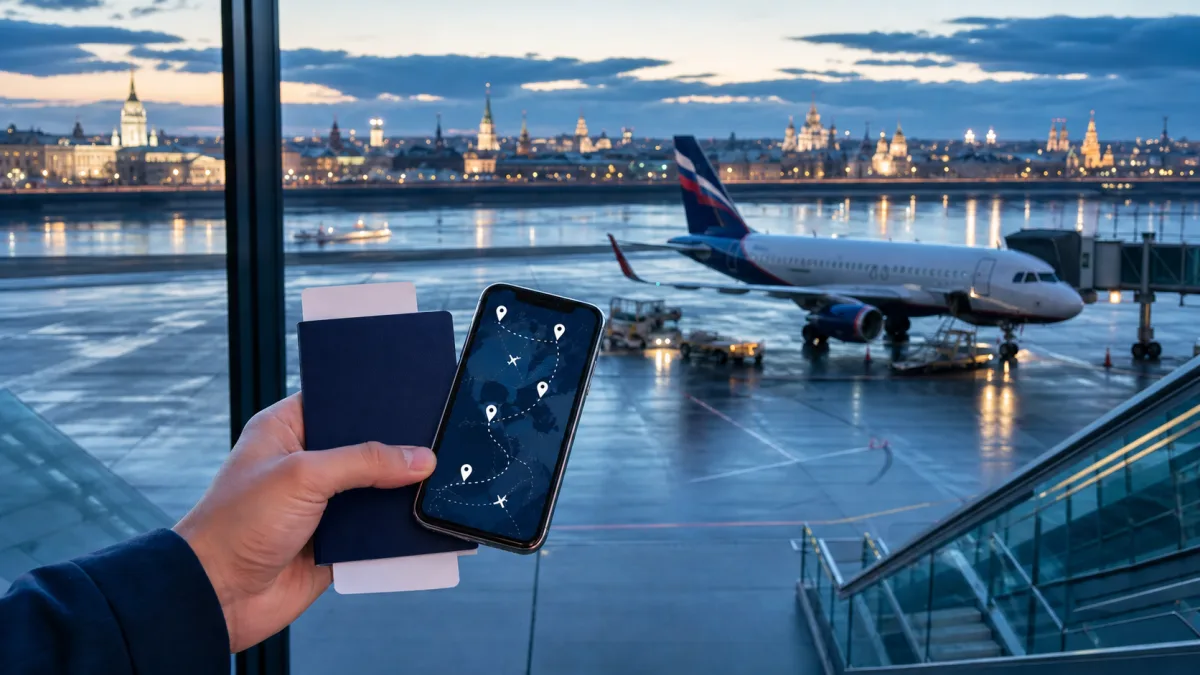 Russia eVisa Entry Checkpoints: Airports, Routes and Flight Changes Explained
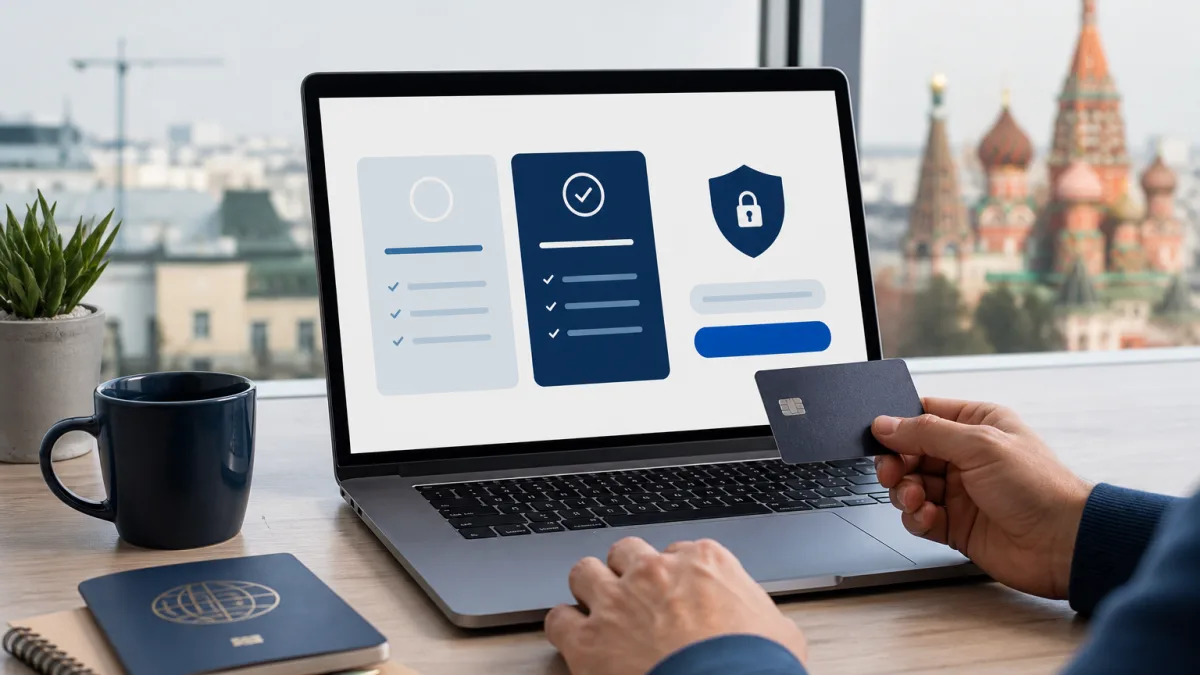 Russia eVisa Cost and Service Fees: What You Pay and How to Choose Safely